Despite the difficulties of bonding with a new group of people, it's important to make the most of each encounter you have with others.
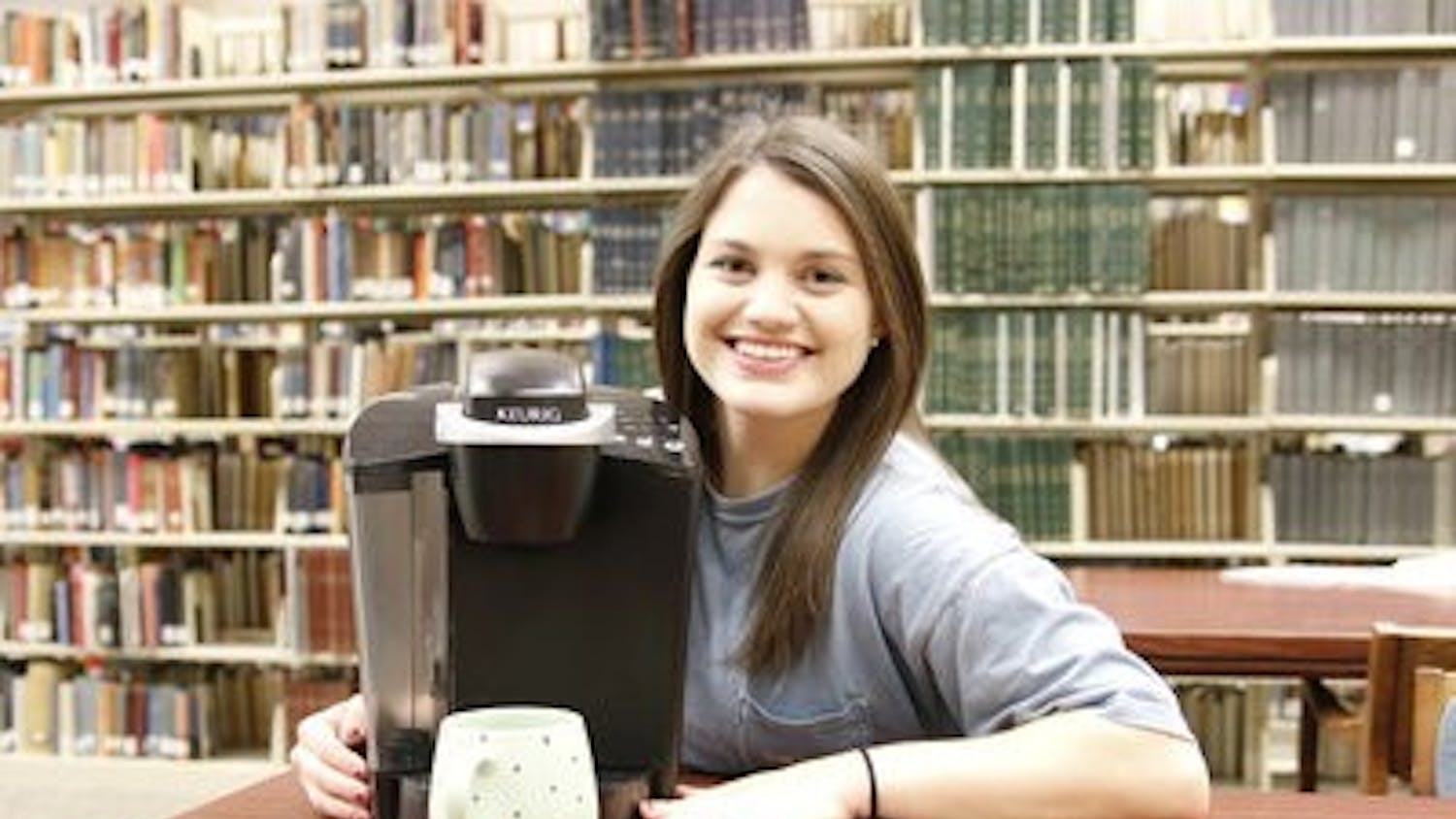
Anna Catherine Roberts, senior in communication disorders, said she that after her Camp War Eagle experience, she found individual effort is very important for a group to get along, and it's not necessarily the counselors fault when group members don't become fast friends.
"It's not really them," Roberts said. "It's more like the group you're in and the people you're with. I tried to be friendly, and they all looked at me like I was weird. I had friends who were counselors last year, though, and every group varies. It's just how people's personalities click."
Group dynamics are important in other settings as well, and there are many techniques that can be drawn from group interaction in different environments.
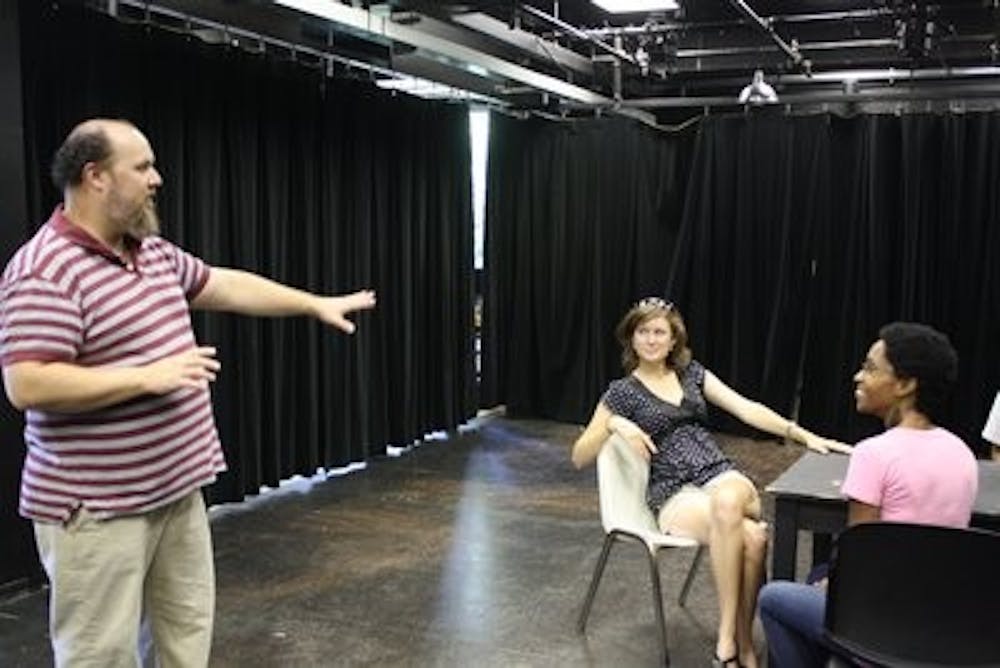
Because the actors in the theater department are trained to express themselves around large groups, theater professor Christopher Qualls has some insight on how people can become more comfortable around each other. What Qualls finds most important is that fear of failure should be minimized.
"I want to create an environment where people feel like they're not going to be embarrassed," Qualls said. "They can try something, and it can fail. Then they can try something else, and it doesn't work, and they try something else."
In his acting classes, Qualls also makes sure to put his students in situations where they become almost hyper aware of the people around them. One activity he uses to achieve this goal is a game called Pulse.
At its core, the game is an acting exercise. His students take on the guise of different characters, becoming superheroes and villains, as they throw imaginary pulses of energy at each other. To win, a student must never be hit by one of the balls of electricity.
"It's about listening; it's about focus, about getting your energy level up," Qualls said. "It' a great way to get a little exercise and get people up and moving and also laughing and collaborating and having fun."
But Qualls also said it is important for students to suspend belief if the game is going to work. One person who isn't enthusiastic about the game can throw off the group dynamic.
Qualls also plays another game in class that is far less strenuous than Pulse, as the students are only required to sit and count to 20.
The chairs are facing away from each other in a circle, and each student is supposed to help the group as a whole count to 20. The only catch is that the group can't go in a straight line around the circle, and if two people count at the same time, the group has to start over at one.
"What happens is at the beginning, everyone's trying to do it really fast to get through it," Qualls said. "After a while people notice, as they rush through it, people start speaking at the same time because no one's listening to each other. After a while people start going slower, they're listening, they're cautious, they're quiet. And they start listening to see if somebody else is going to speak, and they're respectful of each other and listening and acting as a team."
There are many different ways to bring a group of people closer together, and these methods may even work with groups of friends who want to get to know one another better. There are still challenges to overcome, though, even after a group has become close friends. Sara Aguilar, resident director at Teague Hall, said she sometimes struggles to get new people to join an established group.
"There's kind of a core group that got set, and that can play against us because some people who aren't in the core group might feel like they already have their group," Aguilar said.
Aguilar overcomes this problem by trying to get to know everyone in her building and personally inviting them to events.
"Even if I advertise on the whiteboard or with fliers, I'll go knocking on people's doors like 'hey we're downstairs, there's food.' Food is the big key," Aguilar said.
Though getting everyone in the dorm involved is difficult, Aguilar said she is satisfied with the community she has helped build within Teague Hall.
"I think we've built a pretty good community," Aguilar said. "There are people who hang out in the lobby all the time, and every night there are always boys out there playing ping pong."
Do you like this story? The Plainsman doesn't accept money from tuition or student fees, and we don't charge a subscription fee. But you can donate to support The Plainsman.