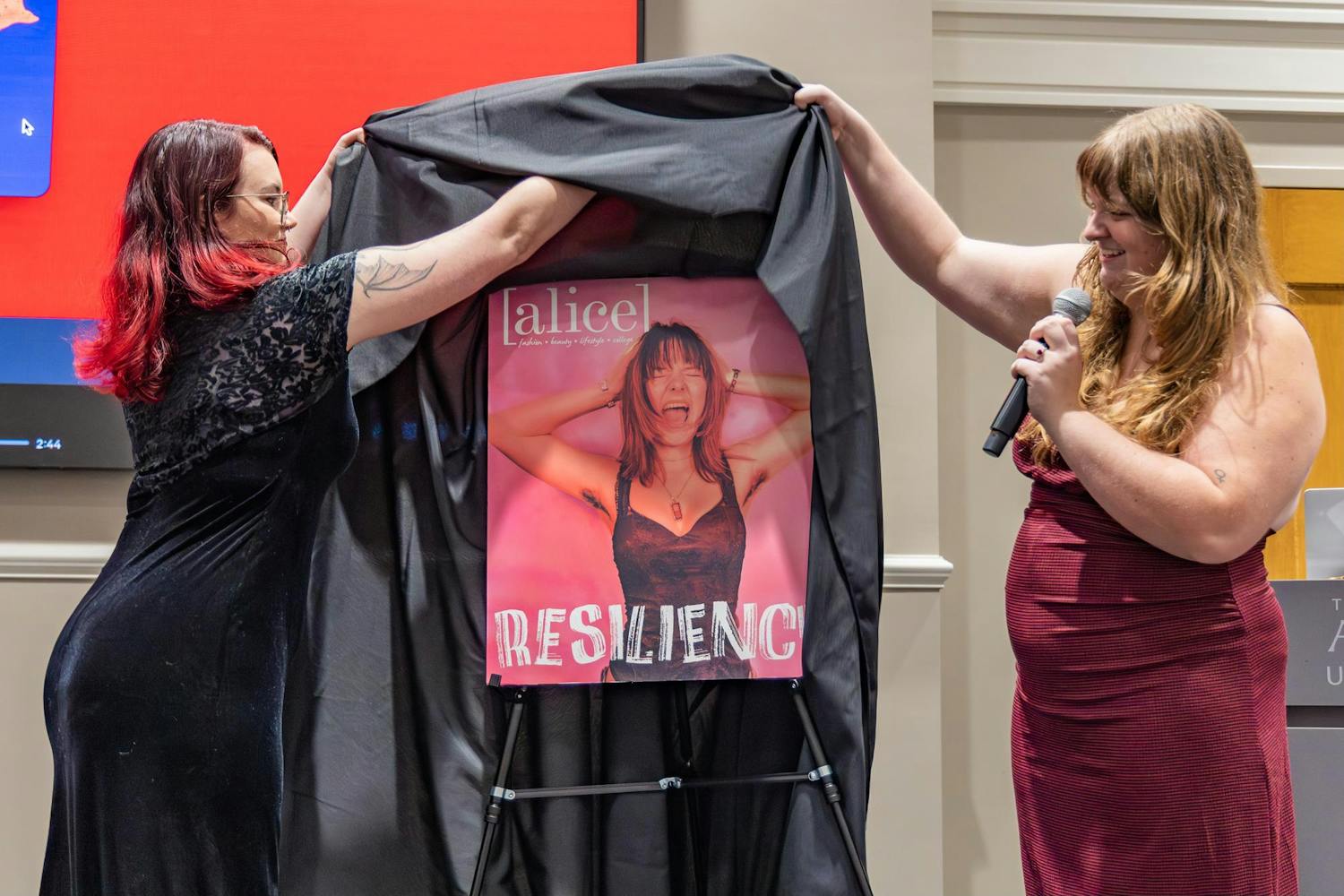
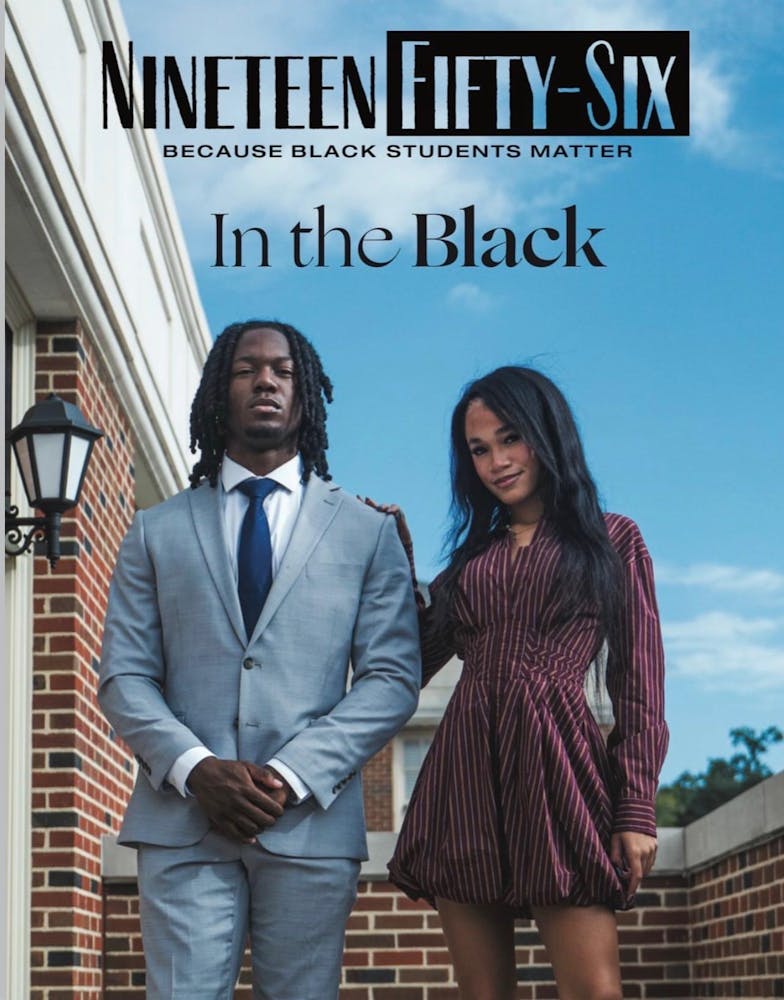
Eight students at the University of Alabama (UA) filed a federal lawsuit against the university on March 23 following the suspension of two student publications in December 2025. The plaintiffs argue that the university violated their First Amendment rights by suspending the magazines based on their disagreement with the magazine's editorial perspectives regarding race and gender. The publications, Nineteen Fifty-Six and Alice Magazine launched in 2020 and 2015, respectively.
Nineteen Fifty-Six is a student-run magazine focused on “Black culture, Black excellence and Black student experiences,” that was founded by Tionna Taite in 2020 and named in honor of Autherine Lucy Foster, UA’s first Black student in 1956. Alice Magazine was created by UA students in 2015 “to help students learn how to feel comfortable in their journey of navigating college life during this transition from teen to adult years.”
In defense of the December suspension, the university cited a July 29 memo from U.S. Attorney General Pam Bondi addressing how federal anti-discrimination laws apply to certain programs, including diversity, equity and inclusion (D.E.I.) initiatives. The memo outlines non-binding guidance intended to help institutions avoid potential violations tied to federal funding.
The university’s rationale for suspending the publications comes from Bondi’s statements regarding proxy organizations, which “occur when a federally funded entity intentionally uses ostensibly neutral criteria that function as substitutes for explicit consideration of race, sex or other protected characteristics.” The proxies in this case were deemed unlawful because they were aimed at specific groups: Black students and women.
Students involved with the publications said the magazines do not exclude participants, and students of any race or gender can join. They argue their focus on specific student experiences reflects an editorial perspective, not discrimination.
The students' legal representation wrote the federal complaint asking for the restoration of the magazines’ funding and operations, saying that the suspension infringes on their First Amendment rights. The plaintiffs of the case are University of Alabama students who have served or planned to serve as editors and contributors for both Alice Magazine and Nineteen Fifty-six. The defendants include the members of the University Board of Trustees.
In the complaint, the plaintiffs argue that the university’s actions were motivated by disagreement with the publications’ perspectives, stating “UA administrators disfavor their editorial perspectives related to race and gender.” They further contend that the decision was related to unconstitutional censorship, writing that the “Defendants’ suspension of Alice and Nineteen Fifty-Six, constitutes unlawful censorship of Plaintiffs’ viewpoints in violation of their rights under the First Amendment to the United States Constitution.”
Further, the plaintiffs state that the university wrongly treated the magazines as “proxy discrimination” based on their audience, using the non-binding federal memo from Bondi to justify what the plaintiffs call “a prohibited form of viewpoint discrimination.”
“[The suspension] prohibits Plaintiffs from communicating their viewpoints because Defendants deem those viewpoints to be of interest to particular audiences,” the complaint said, arguing that the restriction is unconstitutional. “Just as the government cannot exclude from a public forum speech on the topic of religion that may be of interest to people of particular religions, the government cannot exclude speech because it believes the viewpoints expressed may be of particular interest to women and Black students.”
The complaint further states that the Bondi memo does not explicitly mention student-operated and university-funded publications, nor does it address students' First Amendment rights when participating in said publications.
The lawsuit is still ongoing, with a court date not yet decided.
Do you like this story? The Plainsman doesn't accept money from tuition or student fees, and we don't charge a subscription fee. But you can donate to support The Plainsman.
Gracie Goodman, senior in journalism, has been with The Auburn Plainsman since Fall 2025. Goodman previously served as a News Writer. She is currently serving as the News Editor