Myths of Auburn University
In its 170 years, Auburn has had a multitude of myths populate across campus, some more infamous than others. Nine of these have been compiled for your consumption, ranging from sports traditions to secret tunnels.
9. “Auburn’s never won a game in orange”
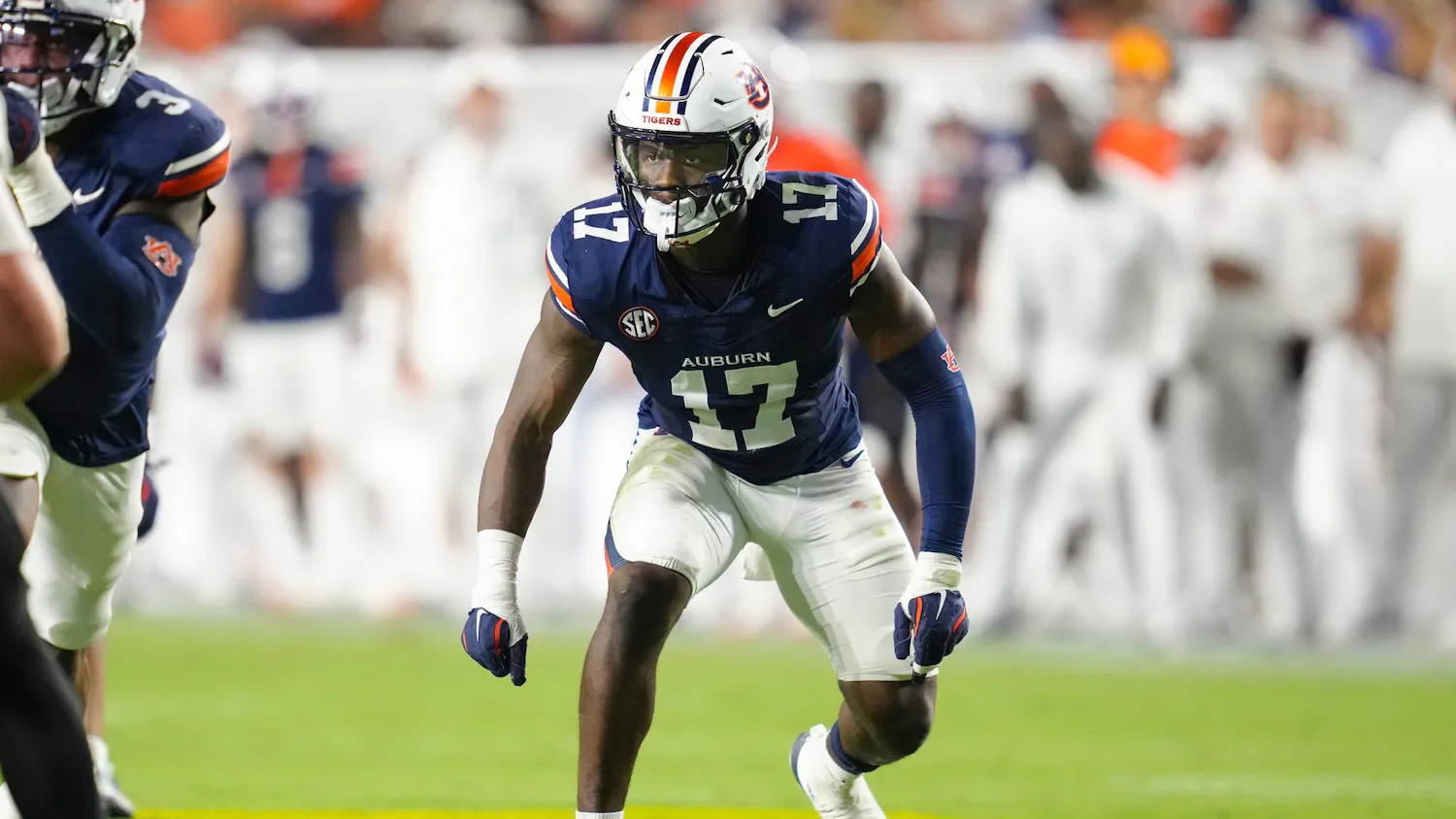
Although it is a commonly heard myth around campus, Auburn has won several games in their orange jerseys in both the modern era and the olden days of the university. The Auburn Uniform Database and other aggregators have documented a variety of orange-jersey games in the late 1970s and onwards to more recent appearances, often resulting in both victories and losses. While the blue and orange are arguably more iconic, this myth has been proven false.
8. Auburn wore green?
In 1938, under coach Jack Meagher, the Auburn football team donned green uniforms for a series of games. Meagher had come from coaching Notre Dame and was reportedly singlehandedly responsible for the uniform change. Compared to the orange or the blue, the uniforms were relatively short-lived, with the players allegedly not being keen on the green. The green uniforms haven’t made a return in modern years, staying firmly in the annals of Auburn football history. Perhaps a retro wave could temporarily bring them back alongside Alabama’s white helmets, but for now, Auburn’s football future remains orange and blue.
7. The Secret Tunnels Beneath Auburn University
There have been longstanding rumors of abandoned tunnels beneath campus, connecting older buildings, such as Samford Hall, Langdon Hall and Comer Hall. According to the myth, some of the tunnels were sealed after students used them for pranks, hazing rituals and unsanctioned meetings in the mid-1960s. Several entrances to these tunnels have been documented in online forums and communities dedicated to finding and exploring the Auburn underground, with some even claiming that they were intended for training or storage during the Second World War.
6. The Haley Center “time loop”
Built in 1969, the infamous Haley Center is a Cold-War-era relic home to one of Auburn’s strangest myths. Students often say they’ve fallen prey to a “time loop” within the Haley halls, a seemingly endless array of liminal construction that wouldn’t be out of place in the Backrooms. During this alleged time loop, students lose track of time, miss classes they swear they had plenty of time for or emerge hours later than expected. While this can be chalked up to a popular joke, it has garnered an online conspiracy theory or two, the crowning achievement of any good myth.
5. The Ghosts of Samford Hall
Samford Hall naturally attracts campus myths like a fly to honey. Not only was the campus landmark rebuilt after an 1887 fire, but it also served as a hospital for wounded soldiers during the Civil War. A variety of ghost stories haunt the place, from a wandering Civil War surgeon to phantom soldiers on the lawn to a spectral bell-tower sentinel. Obviously, Samford Hall is not actually haunted, but that doesn’t stop sightseeing tourists and curious students from poking around at the midnight hour.
4. The “sound well” beneath Jordan-Hare
A long-standing myth among the stadium’s staff is that Jordan-Hare sits atop a natural “sound well,” a geological formation that amplifies noise upward and inward. Instead of chalking the echoing roar up to the stadium’s acoustics, the legend claims the amplification predates the stadium itself and was noticed during early land clearing.
3. Saved by the Creed?
Beyond its official meaning, some alumni have claimed that early copies of the Auburn Creed were protective incantations. During the Second World War, soldiers from Auburn carried copies with them, with people chalking up their safe return to the Creed acting as a talisman of sorts. Indeed, coach Ralph “Shug” Jordan reportedly held a copy with him when he stormed the beaches of Normandy on D-Day. Over the years, the myth grew alongside the natural wartime stories of soldiers surviving improbable circumstances.
2. Auburn held America’s first Homecoming?
In 1909, following a decisive Auburn victory over Georgia Tech, the Montgomery Advertiser and the Columbus Daily Enquirer reported on an event described as a homecoming held by Auburn, as the university invited alumni to celebrate the victory. Historically, Auburn’s first homecoming has been considered to be in 1913, a more formal homecoming with mailed invitations to all alumni, more akin to the traditional template that we are now familiar with. However, if this 1909 date is to be accepted as a valid homecoming, then Auburn predates the University of Missouri’s 1911 homecoming, which was previously considered the start of the tradition. Pending further investigation and certification, this myth is true.
1. The Auburn Seal
One of Auburn’s oldest and most enduring superstitions surrounds the seal embedded in the ground in front of Langdon Hall. According to the legend, if a student steps on the seal, they won’t graduate in four years, won’t find their true love at Auburn and will be cursed with seven generations of Bama fans in their family. One shudders to even think of it. I can’t validate the truth behind this myth, but I wouldn’t recommend testing it out ... just in case.
Do you like this story? The Plainsman doesn't accept money from tuition or student fees, and we don't charge a subscription fee. But you can donate to support The Plainsman.
Logan Myers, freshman majoring in journalism, is from Hilton Head Island, South Carolina. He has been with The Auburn Plainsman since the fall of 2025. In his spare time, he writes short stories and novels in the horror/thriller genre and enjoys camping.