Auburn's spirit will continue to be felt in a dozen statewide prisons after a $50,000 grant for the school's prison education project was awarded Aug. 30.
The National Endowment for the Arts gave the grant to the Alabama Prison Arts + Education Project.
The decade-old project brings approximately 50 artists from around Alabama to six different correctional facilities to teach approximately 15 courses. Courses include poetry, Southern literature, African-American literature, short story writing and multimedia art.
"In order for people to improve their lives, they need access to opportunities to grow," said program director Kyes Stevens in a press release. "The continued support from the NEA allows the Alabama Prison Arts + Education Project to support engaged artists to teach visual arts within a population who profoundly benefit from the experience."
The APAEP started in 2002 with one poet-teacher as the Alabama Prison Arts Initiative with support from various groups, including the Alabama Humanities Foundation.
Over the years, funds have come from the Alabama State Council on the Arts, the Alabama Arts Car Tag fund, the Community Foundation of Greater Birmingham and the Alabama Civil Justice Foundation.
APAEP won its first NEA funding in 2003. This is the sixth time it has received a NEA grant. The initiative became a full-time part of the Caroline Marshall Draughon Center for the Arts and Humanities in 2004.
In 2008, APAEP moved to the Department of Psychology in the College of Liberal Arts and became a part of the Outreach project.
Since the beginning, the project has been a partner of the Alabama Department of Corrections. Courses have been offered in 10 of ADOC's 18 facilities.
The school says NEA Art Works grants are meant to "support the creation of art that meets the highest standards of excellence, public engagement with diverse and powerful art, lifelong learning in the arts and the strengthening of communities through the arts."
Of the roughly 30,000 prisoners in ADOC's facilities, estimates say about 65 percent do not have high school degrees. For this reason, the teachers try to create the best environment possible for learning in their sessions.
The classes are taught on a college entry level and run 12-14 weeks. Credit is offered for the classes in the form of Continuing Education Units, or CEUs.
The program tried to limit class size to 15-20 students in the past and now caps all courses at 25. Teachers have come from a broad background, including some that hold a Ph.D., professionals and graduate students.
"Education is good for everybody," Stevens said. "Creativity feeds people. It does something on a soul level."
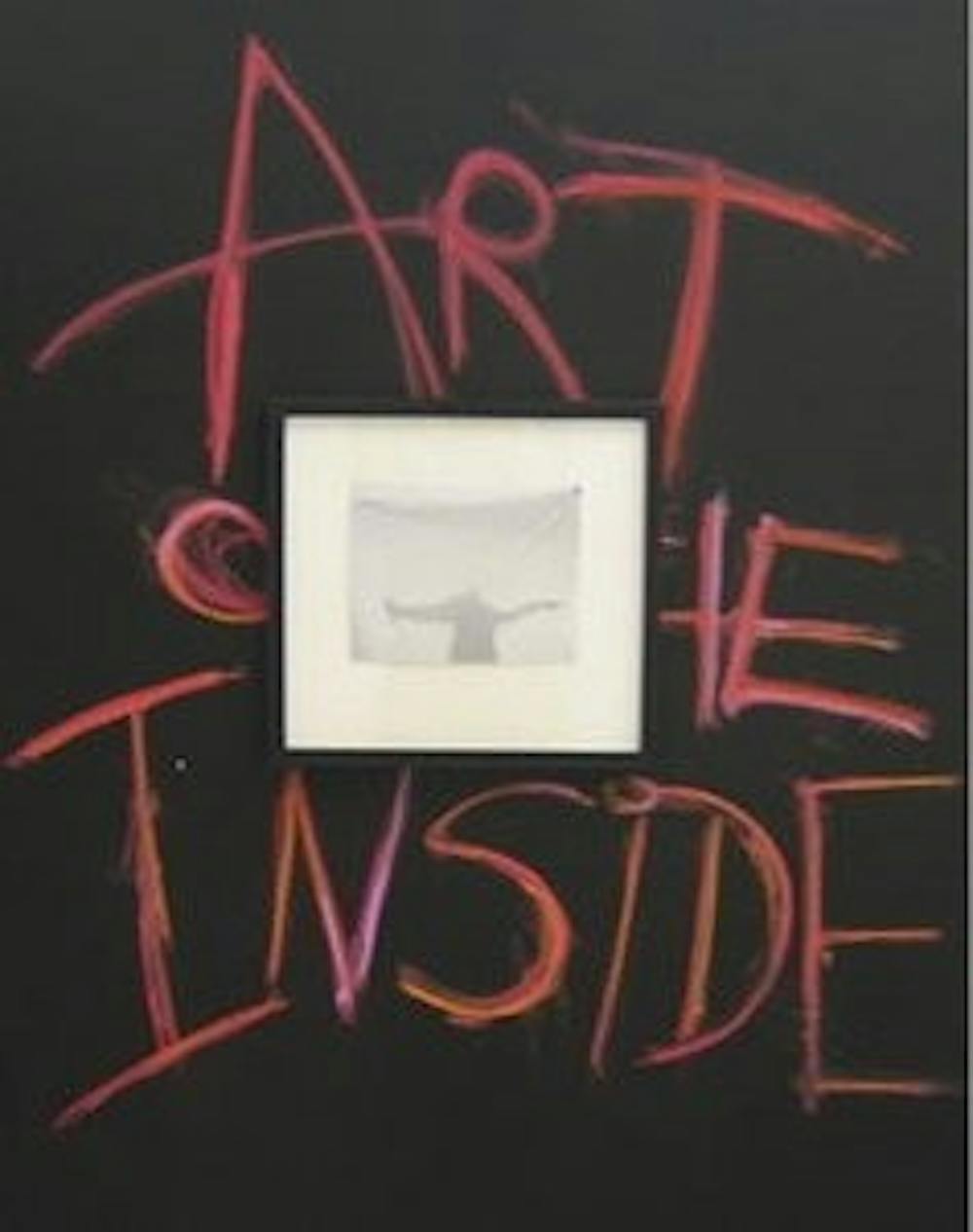
The program hosted its first public display, "Art on the Inside," in Biggin Hall in 2009, allowing the University community to see what its professors' and fellow students' teaching was helping to produce. Many of the works, which include writing and drawing, are portraits of lives that led to and included serving prison time.
Recently APAEP is an outreach scholarship created by Barb Bondy, assistant professor of art/exhibitions and lectures coordinator.
The school partners with the University of Alabama's MFA Creative Writing program and allows the two colleges' students to interact with each other and new professors, while serving Alabama's inmates as well.
APAEP says "while not everyone is qualified, or even interested in teaching a class in a prison, there are a number of ways to get involved with APAEP."
The Books Behind Bars program accepts donations for reading and teaching materials and is taking books for this semester.
You can contact APAEP if you would like to learn about working more directly with the program and you can also donate through a link on its University website, auburn.edu/apaep.
Do you like this story? The Plainsman doesn't accept money from tuition or student fees, and we don't charge a subscription fee. But you can donate to support The Plainsman.